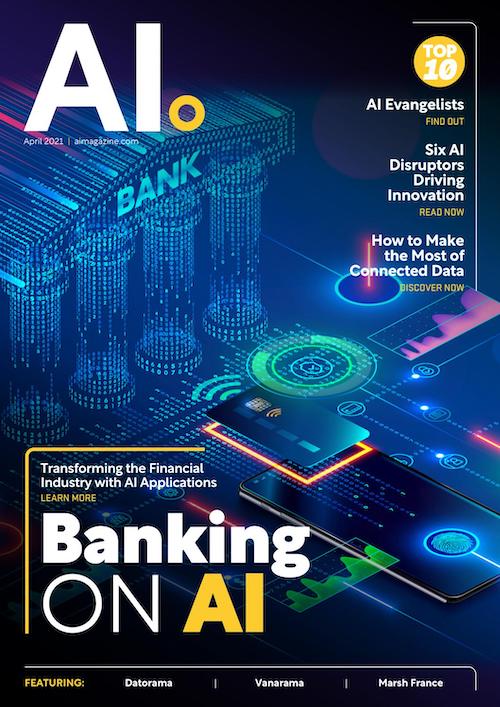

As managers, we constantly seek ways to stay ahead of the curve, make strategic decisions, and harness the power of emerging technologies. With the advent of artificial intelligence (AI) and machine learning, we now have a new tool that can revolutionize our approach to business. Machine learning, in particular, holds immense potential for managers to drive innovation, optimize processes, and make data-driven decisions.
In this article, we will explore how machine learning is transforming the role of managers and enabling them to tackle complex challenges. We will delve into the ways in which machine learning is empowering managers to make informed strategic decisions, unlock valuable insights, and drive business growth.
Join us as we uncover the exciting possibilities that machine learning offers to managers, and discover how you can leverage this cutting-edge technology to propel your organization forward.
The Importance of User Behavior Analytics in Cybersecurity
As chief information security officers (CISOs) face an ever-evolving landscape of cyber threats, the role of user behavior analytics (UBA) has become increasingly crucial. UBA leverages machine learning models to establish baselines of normal user behavior and detect anomalous events that may indicate compromised users, negligent employees, or malicious insiders. This powerful tool allows analysts to investigate user behavior within the context of their roles within the organization, enabling targeted response and mitigation.
UBA solutions are typically cloud-based, providing real-time insights into subtle signals of cyberattacks. By continuously monitoring and analyzing user activity, these solutions can detect potential threats before they escalate. This proactive approach allows organizations to identify and mitigate risks more effectively, protecting sensitive data and systems.
Evaluating and implementing UBA solutions involves defining use cases specific to the organization’s needs, evaluating the results and accuracy of the models, and determining the ownership and oversight of the solution. With the proper implementation and integration into existing security information and event management (SIEM) systems, UBA can significantly enhance an organization’s cybersecurity posture.
Benefits of UBA in Cybersecurity:
- Early detection of compromised users and insider threats
- Improved incident response and targeted mitigation
- Enhanced visibility into user behavior and activity
- Real-time insights into potential security incidents
- Proactive risk management and mitigation
Conclusion:
User behavior analytics plays a critical role in modern cybersecurity, providing organizations with the ability to detect and respond to threats in a timely and targeted manner. By leveraging machine learning models and analyzing user behavior within the context of their roles, UBA solutions enable proactive risk management and enhance an organization’s overall security posture. Implementing UBA requires careful evaluation and integration into existing security systems, but the benefits in terms of early detection and targeted mitigation are well worth the effort.
| UBA Benefits |
|---|
| Early detection of compromised users and insider threats |
| Improved incident response and targeted mitigation |
| Enhanced visibility into user behavior and activity |
| Real-time insights into potential security incidents |
| Proactive risk management and mitigation |
The Role of Enterprise Content Management in the Digital Workplace
In today’s digital workplace, enterprise content management (ECM) plays a crucial role in managing and organizing documents and content effectively. With the increasing adoption of remote and hybrid work models, ECM solutions have become even more essential for maintaining end-user productivity and reducing security risks.
ECM solutions provide a range of benefits for organizations operating in the digital landscape. They help maintain end-user productivity by ensuring easy access to important documents and information. Additionally, ECM solutions reduce security risks by implementing robust access controls and encryption measures. By centralizing document management and enabling collaboration, ECM solutions also foster efficient teamwork and streamlined workflows.
One of the key areas where ECM is evolving is the integration of artificial intelligence (AI) capabilities. AI is being used in ECM to classify data, aid in search functionalities, and even automate certain tasks. This not only improves the efficiency of document management but also opens up new possibilities for collaboration and content development. As organizations continue to embrace digital transformation, ECM vendors must continue to adapt and differentiate themselves by leveraging AI and other emerging technologies.
Table: Benefits of Enterprise Content Management in the Digital Workplace
| Benefit | Description |
|---|---|
| Improved productivity | ECM solutions help maintain end-user productivity by ensuring easy access to important documents and information. |
| Reduced security risks | ECM solutions implement robust access controls and encryption measures to reduce security risks. |
| Streamlined collaboration | ECM solutions enable efficient teamwork and streamline workflows through centralized document management and collaboration features. |
| AI integration | AI capabilities in ECM allow for improved content classification, search functionalities, and automation of certain tasks. |
As the digital workplace continues to evolve, ECM will play an ever-increasing role in helping organizations effectively manage content, improve workflows, and achieve their business goals. By embracing technologies like AI and continually adapting to changing needs, ECM vendors can ensure they remain valuable partners in the digital transformation journey.
Enhancing Workflows and Processes with ECM
In the digital workplace, having efficient workflows and streamlined processes is essential for maximizing productivity and staying competitive. Enterprise Content Management (ECM) systems play a crucial role in achieving these goals by providing organizations with the tools they need to modernize their processes and enable efficient document management.
By leveraging data-driven workflows, ECM serves as an enabler for seamless collaboration and automation. With an effective ECM system in place, organizations can improve time and cost management, reduce manual errors, and enhance overall productivity. The automation capabilities of ECM can help eliminate repetitive tasks and free up valuable time for employees to focus on more strategic initiatives.
Furthermore, ECM systems enhance employee collaboration and enable better customer experiences. By centralizing document management and providing access to relevant information, ECM solutions facilitate collaboration among team members, regardless of their location. This results in improved teamwork, faster decision-making, and ultimately, better outcomes for the organization and its customers.
| Key Benefits of ECM for Workflows and Processes |
|---|
| 1. Efficient Document Management |
| 2. Streamlined Workflows |
| 3. Enhanced Collaboration |
| 4. Improved Customer Experiences |
| 5. Cost and Time Savings |
Looking ahead, AI technologies have the potential to further enhance ECM systems. By making search more comprehensive and extracting valuable insights from content repositories, AI can significantly improve the efficiency and effectiveness of ECM. Additionally, integrating ECM with broader digital workplace tools and platforms provides organizations with innumerable benefits, driving collaboration, and efficiency.
ECM as the Digital Gut of the Modern Workplace
In the modern workplace, ECM solutions play a critical role in enabling collaboration and communication across a broad set of connected tools. By integrating with messaging platforms, project management software, and other collaboration suites, ECM solutions create a centralized ecosystem that improves employee experience (EX) and customer experience (CX) without compromising compliance and security.
One of the key enhancements in ECM is the integration of document-management tools with collaboration and communication suites. This integration allows dispersed workers to accomplish more within the ECM system itself, minimizing the need to switch between multiple applications. By providing a seamless user experience, ECM solutions facilitate better collaboration and communication among teams.
Benefits of ECM integrated with collaboration and communication suites:
- Improved productivity: By simplifying workflows and reducing friction points, ECM solutions integrated with collaboration and communication suites streamline tasks and enhance overall productivity.
- Enhanced collaboration: Centralizing content and providing easy access within collaboration suites fosters real-time collaboration, enabling teams to work together more efficiently and effectively.
- Secure content sharing: ECM solutions ensure that sensitive information is shared securely within collaboration and communication suites, protecting data privacy and minimizing the risk of data breaches.
- Efficient content management: Integrated ECM solutions enable seamless content creation, storage, retrieval, and version control within collaboration and communication suites, eliminating the need for manual transfers and reducing errors.
Table: Comparison of ECM Solutions Integrated with Collaboration and Communication Suites
| Feature | ECM Solution A | ECM Solution B | ECM Solution C |
|---|---|---|---|
| Real-time collaboration | Yes | Yes | Yes |
| Document version control | Yes | Yes | Yes |
| Secure content sharing | Yes | Yes | Yes |
| Integration with messaging platforms | Yes | No | No |
| Integration with project management software | Yes | Yes | No |
Legacy ECM vendors looking to stay competitive need to embrace the cloud and leverage artificial intelligence (AI) to automate tasks and improve collaboration and productivity. AI has the potential to enhance ECM by automating mundane tasks, prioritizing project needs, and even generating content based on prompts. By adopting emerging technologies and integrating them into their solutions, ECM vendors can continue to meet the evolving needs of the modern workplace.
Maximizing the Value of ECM in Remote and Hybrid Work Models
In the age of remote and hybrid work models, organizations are increasingly relying on ECM solutions to maintain end-user productivity and reduce security risks. The ability to collaborate and automate workflows has become essential for businesses to thrive in this new work paradigm.
ECM vendors understand the importance of providing tools that maximize productivity among distributed teams. By offering features such as document sharing, version control, and real-time collaboration, ECM solutions enable seamless communication and efficient collaboration, regardless of employees’ physical locations.
Furthermore, the integration of AI technologies into ECM holds great promise for improving collaboration, content development, and knowledge management. AI can automate mundane tasks, prioritize project needs, and generate relevant content based on prompts, allowing employees to focus on more high-value work.
The Role of ECM in Remote and Hybrid Work Models
ECM solutions play a crucial role in helping organizations effectively manage their content and records in the digital workplace. With the ability to streamline workflows and facilitate decision-making, ECM solutions empower employees to work more efficiently and make informed choices.
As remote and hybrid work models continue to shape the future of work, organizations need ECM solutions that can adapt to their evolving needs. By embracing the cloud and leveraging AI technologies, ECM vendors can enhance the capabilities of their solutions and provide even greater value to their customers.
| Benefits of ECM in Remote and Hybrid Work Models | How ECM Enhances Workflows in the Digital Workplace |
|---|---|
|
|
By harnessing the power of ECM solutions, organizations can navigate the challenges of remote and hybrid work models with greater ease and efficiency. The effective management of content and collaboration is vital for organizations to thrive in the digital workplace.
ECM as a Strategy for Effective Content Management
Effective content management is a crucial aspect of remote work and hybrid work models. As organizations transition to these new ways of working, it becomes essential to have a strategy in place for managing content efficiently. Enterprise Content Management (ECM) systems have evolved from being a solution to becoming a strategic tool that helps organizations effectively manage their content.
Traditional ECM tools have mainly focused on document management and lacked the collaborative user experience necessary for modern digital workspaces. However, with the integration of collaboration tools within ECM systems, organizations can now manage documents seamlessly and provide end-users with faster access to relevant information.
Enhancing Collaboration with ECM
In today’s workplace, collaboration is key to productivity and success. ECM solutions, when integrated with collaboration tools, enable better collaboration among remote and hybrid teams. These connected ecosystems improve employee experience (EX) and customer experience (CX) without compromising compliance and security. It allows dispersed workers to work together efficiently, integrating with collaboration and communication suites, messaging tools, and project management platforms.
| Benefits of ECM for Collaboration | Legacy ECM | Modern ECM |
|---|---|---|
| Improved Collaboration | Limited collaboration features | Integrated with collaboration tools for seamless collaboration |
| Enhanced Content Discovery | Basic search functionality | AI-powered search for comprehensive and accurate results |
| Faster Access to Information | Time-consuming navigation | Centralized access to relevant information |
Legacy ECM vendors need to embrace the cloud and leverage AI to automate tasks and improve collaboration and productivity. By using AI and machine learning, ECM vendors can better understand and manage content effectively, ensuring that teams have the right information at the right time. This level of collaboration and content management is essential for organizations operating in remote work and hybrid work environments.
The Future of ECM and the Rise of Generative AI
In the ever-evolving digital workplace, the role of Enterprise Content Management (ECM) continues to expand. As organizations strive to enhance collaboration, productivity, and content management, the emergence of generative AI brings new possibilities and advancements to ECM.
Generative AI, with its ability to explore and understand ECM content, has the potential to revolutionize the way organizations interact with their digital assets. By leveraging AI-powered search, ECM repositories can provide more comprehensive and accurate results, enabling users to quickly and efficiently find the information they need.
Furthermore, generative AI offers productivity elevators that can significantly streamline business processes. From automatic document drafts to meeting summarization, AI-powered ECM solutions can save time and effort by automating mundane tasks. Additionally, generative AI can even contribute to artwork creation, unlocking new creative possibilities within ECM.
Table: How Generative AI Enhances ECM
| Benefits | Examples |
|---|---|
| Improved Content Exploration | AI-powered search in ECM repositories provides comprehensive and accurate results |
| Productivity Elevators | Automatic document drafts, meeting summarization, and artwork creation |
| Efficient Collaboration | AI-powered tools facilitate seamless collaboration and content development |
Looking ahead, the future of ECM lies in the integration of generative AI. By leveraging AI and machine learning technologies, ECM vendors can analyze and manage content more effectively, improving productivity and decision-making for organizations. As the digital workplace continues to evolve, ECM will play a pivotal role in helping organizations manage their content, enhance collaboration, and achieve their business goals.
The Ever-Evolving Role of ECM in the Digital Workplace
In today’s digital workplace, enterprise collaboration is more important than ever. To achieve seamless collaboration, organizations rely on ECM solutions that provide centralized ecosystems and connected tools. These solutions not only enhance the employee experience (EX) and customer experience (CX), but also ensure compliance and security.
However, many legacy ECM vendors are facing challenges in adapting to the evolving digital landscape. One of the key hurdles is cloud adoption. By embracing the cloud, these vendors can unlock the full potential of ECM and meet the dynamic needs of modern organizations.
AI is also playing a significant role in shaping the future of ECM. With AI-powered capabilities, redundant tasks can be minimized, automation can be enhanced, and collaboration can be streamlined within ECM systems. This not only improves productivity but also enables efficient enterprise collaboration.
In conclusion, ECM solutions continue to be vital in effectively managing content, improving workflows, and achieving business goals in the digital workplace. Legacy ECM vendors must embrace cloud adoption and leverage AI to stay competitive in this ever-evolving landscape. By doing so, they can provide organizations with the tools they need to thrive in the digital age.

- Data Analytics in Plant Automation: A Manager’s Complete Guide to ROI - February 14, 2026
- Data-Driven Property Investment in London: A Strategic Advantage - December 21, 2025
- Data-Driven Decision Making: Optimizing Escrow Performance with Analytics - November 23, 2025