
Understanding AI in Business
We see AI as a transformative force in today’s business landscape. By processing vast datasets quickly, AI helps identify actionable insights, enhances decision-making, and optimizes operations. Companies such as Google and Amazon use AI to tailor personalized customer experiences, improving satisfaction and loyalty.
AI-driven tools also enhance predictive analytics. For instance, machine learning algorithms forecast sales trends, helping businesses adjust strategies proactively. Customer service benefits from AI too, with chatbots providing instant support and resolving issues efficiently.
AI-powered automation streamlines repetitive tasks. In supply chain management, AI systems forecast demand, manage inventory, and optimize logistics. This reduces operational costs and increases efficiency. IBM’s Watson, for example, has revolutionized areas like healthcare by diagnosing conditions faster than traditional methods.
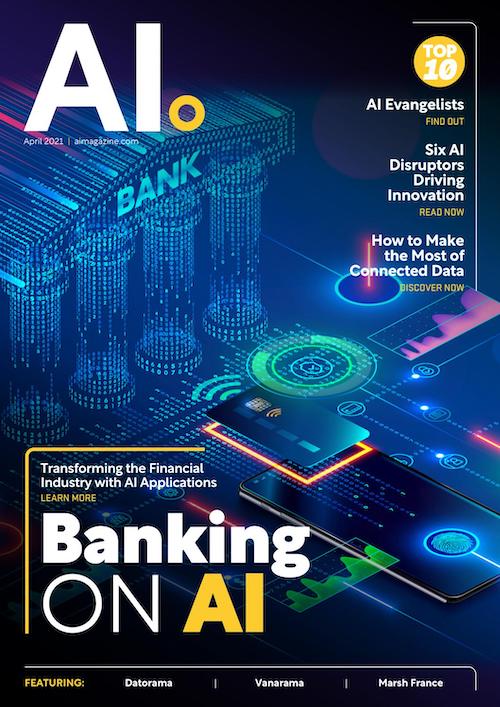
In finance, AI detects fraudulent activities by analyzing transaction patterns. It also assists in risk management by evaluating loan applicants’ creditworthiness.
By integrating AI into business strategies, companies gain competitive advantages, improve performance, and achieve significant cost savings.
Benefits of Leveraging AI for Data-Driven Solutions
Leveraging AI for data-driven solutions provides several advantages that significantly impact business performance. It improves decision-making, enhances customer experience, and boosts operational efficiency.
Improved Decision-Making
AI enhances decision-making by analyzing vast datasets quickly. It identifies patterns and trends that might be missed by human analysis. With AI, businesses can predict market fluctuations, optimize pricing strategies, and accurately forecast demand. For instance, AI-driven analytics platforms enable us to make informed decisions, reducing risks and capitalizing on opportunities.
Enhanced Customer Experience
AI personalizes customer interactions, creating tailored experiences that increase satisfaction. AI systems analyze customers’ behavior, preferences, and feedback to deliver relevant product recommendations and targeted marketing campaigns. Examples include AI chatbots that provide instant responses and AI-driven customer service platforms that resolve issues efficiently. These AI-enabled tools enhance customer loyalty and drive revenue growth.
Operational Efficiency
AI optimizes operations by automating repetitive tasks and streamlining complex processes. This increases productivity and reduces errors. In supply chain management, AI predicts inventory needs and minimizes disruptions. In manufacturing, AI monitors equipment for maintenance needs, reducing downtime. These enhancements result in significant cost savings and improved operational output.
Key AI Technologies Transforming Businesses
AI technologies have revolutionized various sectors, enabling more efficient and effective data-driven business solutions.
Machine Learning
Machine learning (ML) involves training algorithms on large datasets to make predictions or decisions. In retail, ML enhances inventory management by predicting stock levels based on sales data. In healthcare, ML systems diagnose diseases with high accuracy by analyzing patient data. For finance, ML detects fraudulent transactions in real-time, safeguarding assets and reducing fraud risks.
Natural Language Processing
Natural Language Processing (NLP) enables machines to understand, interpret, and respond to human language. In customer service, NLP-powered chatbots provide instant assistance, reducing response times and improving satisfaction. In marketing, NLP analyzes customer feedback to identify trends and sentiment, helping companies tailor their strategies. For legal industries, NLP automates document review, increasing efficiency and accuracy.
Predictive Analytics
Predictive analytics leverages historical data to forecast future events. In sales, predictive analytics identifies potential leads and optimizes sales strategies. In supply chain management, it forecasts demand, streamlining inventory and reducing costs. In HR, predictive analytics assesses candidate fit and predicts employee turnover, aiding in better recruitment and retention strategies.
Real-World Applications of AI in Business
AI significantly changes how businesses operate, driving innovation across various domains. Let’s explore some key applications.
Sales and Marketing
AI analyzes customer data to personalize marketing campaigns, enhancing engagement and conversion rates. Tools like predictive analytics forecast customer behaviors, allowing us to tailor promotional strategies effectively. Platforms like Salesforce Einstein use AI to automate lead scoring, improving sales funnel efficiency and targeting high-value prospects. Chatbots manage customer inquiries, providing instant responses and improving user experience. By leveraging machine learning algorithms, businesses can optimize pricing strategies based on market trends and competitive analysis.
Supply Chain Management
AI optimizes supply chain operations by predicting demand, managing inventory, and detecting potential disruptions. Solutions like IBM Watson enable real-time tracking of goods and predictive maintenance, which minimizes downtime. AI-driven systems analyze vast datasets to improve logistics and reduce operational costs. Applications such as autonomous vehicles and drones streamline last-mile deliveries, enhancing efficiency. RFID and IoT-enabled sensors provide granular visibility into supply chain processes, enabling proactive management of resources.
Human Resources
AI transforms HR by automating recruitment, improving employee engagement, and optimizing workforce management. Recruitment platforms like HireVue employ AI to screen resumes and conduct initial interviews, reducing hiring time. AI-driven analytics assess employee performance and identify skill gaps, enabling targeted training programs. Chatbots handle routine HR queries, freeing up HR professionals to focus on strategic initiatives. Predictive analytics forecasts turnover risks, helping us implement retention strategies proactively. By leveraging AI in HR, businesses improve operational efficiencies and employee satisfaction.
Challenges and Considerations
As we explore leveraging AI for data-driven business solutions, several challenges and considerations arise.
Data Privacy and Security
Integrating AI involves substantial data collection and analysis. Ensuring data privacy and security is paramount. Companies must comply with data protection regulations like GDPR and CCPA, which govern data use and storage. Implementing robust encryption, access controls, and regular security audits is essential. Data breaches can lead to legal consequences and loss of customer trust, making it crucial to prioritize cybersecurity.
Implementation Costs
AI integration can be costly. Initial investment includes software, hardware, and infrastructural upgrades. Additionally, operational costs for maintenance, updates, and scaling AI applications should be considered. While large enterprises may allocate significant budgets for AI, small to medium-sized businesses need to carefully plan and justify these expenses to ensure a return on investment.
Skillset and Training Needs
AI adoption requires a specialized skillset. Hiring data scientists, machine learning engineers, and AI specialists is necessary. Existing staff also need training to effectively use AI tools. Investing in employee education programs and ongoing training ensures a smooth transition and maximizes the benefits of AI implementation. Without proper skills, businesses risk underutilizing AI capabilities.
Future Trends in AI for Business
AI’s influence on business is rapidly evolving. We identify several future trends that promise to reshape industries.
Autonomous Systems
Autonomous systems are predicted to revolutionize various sectors. These include self-driving vehicles for logistics, drones for delivery, and robotic process automation (RPA) for routine tasks.
Advanced Predictive Analytics
Predictive analytics will become more advanced as algorithms improve. Businesses can expect even sharper insights into market trends, customer behavior, and operational inefficiencies through enhanced data processing capabilities.
AI-Driven Customer Experience
AI will redefine customer interactions. Using technologies like conversational AI and sentiment analysis, businesses will deliver personalized experiences at unprecedented levels.
Integration of AI with IoT
Integrating AI with the Internet of Things (IoT) will create smarter systems. These systems will enable predictive maintenance, optimizing energy consumption, and improving asset management in industries like manufacturing and utilities.
Ethical AI
Ethical AI will become a critical focus. We expect frameworks to evolve, ensuring AI systems are transparent, fair, and respectful of user privacy, addressing growing concerns about ethical implications.
AI and Blockchain Collaboration
The collaboration between AI and blockchain technology will offer enhanced security and data traceability. This synergy will benefit sectors such as finance, supply chain management, and healthcare, providing secure, transparent, and efficient data transactions.
Human-AI Collaboration
Human-AI collaboration will continue to grow. AI will augment human capabilities, allowing employees to focus on more strategic tasks while AI handles data analysis and routine decision-making.
These trends highlight the transformative potential of AI across various business verticals, promising innovation and efficiency.
Conclusion
AI’s transformative power in data-driven business solutions is undeniable. Companies harnessing AI for predictive analytics, customer personalization, and operational efficiency are already seeing significant benefits. As AI technologies continue to evolve, businesses must stay ahead by investing in the right tools and skillsets. Data privacy and security remain paramount, and ethical considerations will shape AI’s future applications. By embracing AI, we can unlock new opportunities, drive innovation, and achieve unprecedented efficiency across various sectors. The future of business is undoubtedly intertwined with AI, and those who adapt will lead the way.

- Data Analytics in Plant Automation: A Manager’s Complete Guide to ROI - February 14, 2026
- Data-Driven Property Investment in London: A Strategic Advantage - December 21, 2025
- Data-Driven Decision Making: Optimizing Escrow Performance with Analytics - November 23, 2025