
Understanding Business Model Flexibility
Flexibility in business models allows companies to adapt to market changes efficiently. A flexible business model can pivot strategies, leveraging new opportunities as they arise. It involves rapid decision-making and reallocating resources to meet shifting demands.
Key aspects of business model flexibility include:
- Scalability: Adjusting the scale of operations quickly in response to demand spikes or drops. For instance, an e-commerce platform ramping up server capacity during holiday seasons.
- Agility: Adapting processes and workflows promptly to incorporate innovations or respond to disruptions. For example, a software firm integrating new AI tools to enhance product development cycles.
- Resource Allocation: Redirecting resources effectively to capitalize on unexpected opportunities or mitigate risks. A logistics company might reassign delivery routes based on real-time traffic data.
Achieving flexibility requires a culture that embraces change and technologies enabling it. AI plays a pivotal role in enhancing this adaptability by offering predictive insights, automation, and personalized solutions.
A dynamic business model driven by AI ensures competitiveness in a constantly evolving market.
Key AI Technologies Enhancing Flexibility
In our ever-evolving market, leveraging AI technologies is vital for increasing business model flexibility. These technologies offer diverse capabilities that drive operational efficiency and adaptability.
Machine Learning
Machine learning (ML) algorithms analyze vast datasets to uncover patterns and insights. They optimize processes by automating repetitive tasks, such as data entry and analysis, and enhance decision-making. For instance, in supply chain management, ML can predict inventory needs based on historical data and current trends, leading to reduced waste and improved efficiency.
Natural Language Processing
Natural language processing (NLP) enables machines to understand and respond to human language. By analyzing customer feedback and inquiries, NLP helps businesses identify emerging trends and sentiment shifts. Chatbots, powered by NLP, offer instant customer support, improving service responsiveness and operational fluidity. This technology ensures businesses can swiftly adapt their strategies to meet customer expectations.
Predictive Analytics
Predictive analytics uses statistical algorithms and machine learning techniques to forecast future outcomes. Businesses utilize these insights to anticipate market trends, adjust pricing strategies, and preemptively address potential issues. For example, retail companies can predict consumer demand for products, optimizing stock levels and reducing costs. Predictive analytics ensures that businesses remain proactive rather than reactive in a dynamic environment.
Case Studies: AI-Driven Business Model Transformations
AI transforms various industries by enhancing business model flexibility through technology integration and strategic adaptation.
Retail Industry
In the retail industry, AI optimizes supply chains and personalizes customer experiences. For example, retail giants like Amazon use machine learning to manage inventory, forecast demand, and streamline logistics, ensuring products are available when customers need them. Chatbots powered by natural language processing (NLP) handle customer inquiries efficiently, improving user satisfaction. This flexibility allows retailers to adapt to market changes rapidly and meet consumer expectations.
Healthcare Sector
Healthcare organizations leverage AI to enhance patient care and operational efficiency. For example, AI algorithms predict patient admission rates, optimizing staffing and resource allocation. Machine learning models analyze medical images, aiding in early diagnosis and treatment planning. Natural language processing helps in processing and understanding clinical notes, improving patient outcomes. These AI applications ensure healthcare providers can adapt to varying demands and deliver timely care.
Financial Services
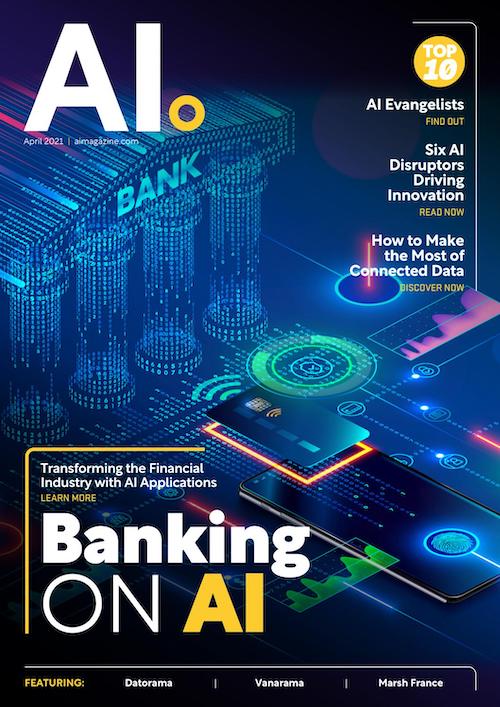
In financial services, AI transforms risk management and customer interaction. Banks and financial institutions use predictive analytics to detect fraud and assess credit risk. Machine learning models streamline loan approval processes by analyzing creditworthiness. Chatbots, driven by NLP, provide 24/7 customer support, resolving queries efficiently. This integration of AI ensures financial services remain agile and responsive to market shifts, enhancing both security and customer satisfaction.
Challenges and Considerations
Although AI offers numerous benefits, businesses must navigate several challenges and considerations to effectively leverage its capabilities.
Data Privacy Concerns
AI systems often require vast amounts of data to function optimally. Ensuring data privacy remains a top concern. Regulations like GDPR and CCPA mandate strict compliance, making it crucial to implement robust data protection measures. Companies should anonymize sensitive information and use encryption to safeguard data. Partnering with reputable vendors that comply with privacy standards can help mitigate risks and maintain customer trust.
Integration with Existing Systems
Integrating AI with existing systems presents a significant challenge for businesses. Legacy systems may lack compatibility with modern AI technologies, requiring substantial investment in upgrades. To facilitate a smooth integration, it’s essential to assess current infrastructure and pinpoint areas needing updates. Employing middleware solutions can bridge gaps between old and new systems. Planning and executing incremental integration can minimize disruptions and ensure a seamless transition.
Future Trends in AI and Business Flexibility
Several emerging trends indicate how AI continues to shape business flexibility. The integration of AI into decision-making processes through advanced algorithms enhances predictive accuracy, allowing businesses to adapt swiftly to market changes. For example, AI can provide real-time insights into consumer behavior, empowering companies to adjust marketing strategies instantly.
Another trend is the increasing adoption of AI-driven automation in operational tasks. By automating repetitive processes like customer service inquiries and inventory management, businesses free up human resources for more complex tasks, thereby boosting agility and scalability.
AI’s role in enhancing remote work capabilities is also significant. Through AI-powered tools like virtual assistants and collaborative platforms, businesses maintain efficiency in distributed work environments. This flexibility supports a resilient business model that can adapt to various work settings.
Moreover, the convergence of AI and IoT (Internet of Things) allows businesses to collect and analyze data from connected devices. This integration supports more responsive and adaptive operations, as seen in smart supply chain management systems that adjust to real-time data.
As AI continues evolving, its role in enhancing business model flexibility promises even greater efficiency and adaptability, enabling companies to thrive in dynamic market conditions.
Conclusion
AI is undeniably a game-changer for enhancing business model flexibility. It empowers us to adapt swiftly to market fluctuations, optimize operations, and personalize customer experiences. By leveraging machine learning, natural language processing, and predictive analytics, we can stay ahead of trends and make informed decisions.
However, we must address challenges such as data privacy and integration with legacy systems. Implementing robust data protection measures and planning incremental integration are crucial steps. As AI continues to evolve, its role in boosting agility and scalability will only grow, ensuring our competitiveness in a dynamic market.

- Data Analytics in Plant Automation: A Manager’s Complete Guide to ROI - February 14, 2026
- Data-Driven Property Investment in London: A Strategic Advantage - December 21, 2025
- Data-Driven Decision Making: Optimizing Escrow Performance with Analytics - November 23, 2025